What to watch for in Kansas kitchens
Kansas homeowners rely on their range hoods to vent heat, smoke, and cooking fumes. When a warning sign pops up, it’s your cue to pay attention. A range hood that sounds louder than usual, rattles, or vibrates during operation is not just irritating; it can point to a problem your appliance repair specialist needs to diagnose. Crews in every Kansas metro encounter similar patterns from time to time, and understanding them helps you decide when to call for service.
Common indicators include unusual noises, decreased airflow, lingering odors, or the unit failing to reach the expected exhaust level. These symptoms often come from a buildup of grease, worn components, or electrical quirks. The key is to spot them early across Kansas so they don’t turn into bigger, costlier fixes later.
What’s likely causing the warning signs
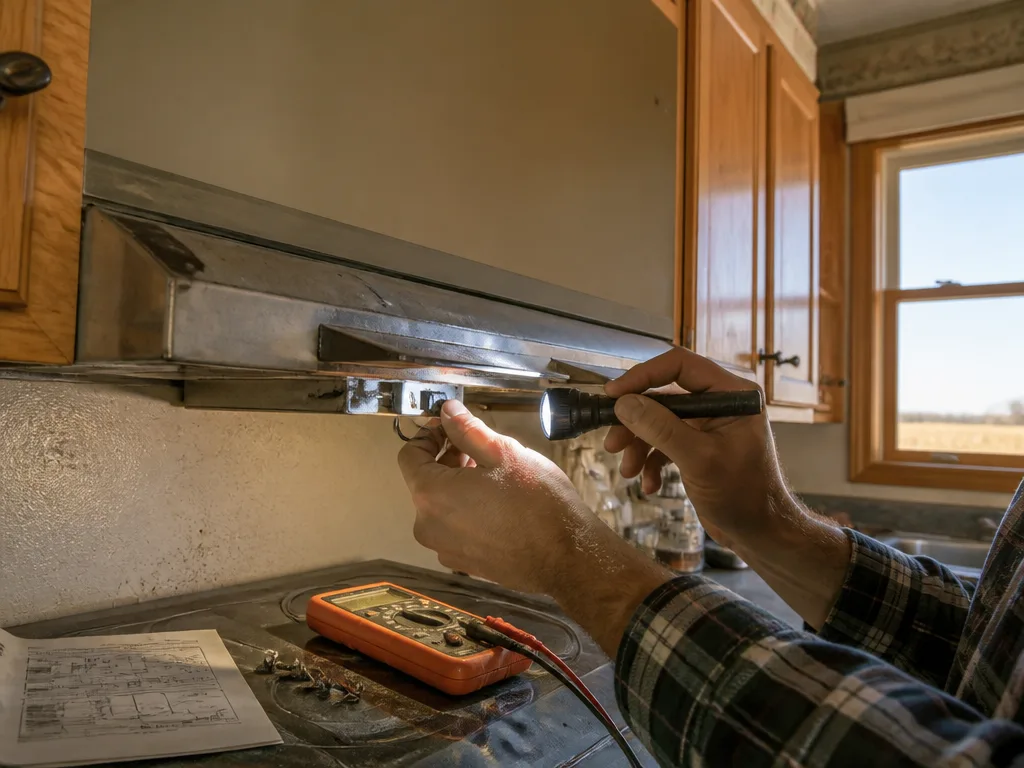
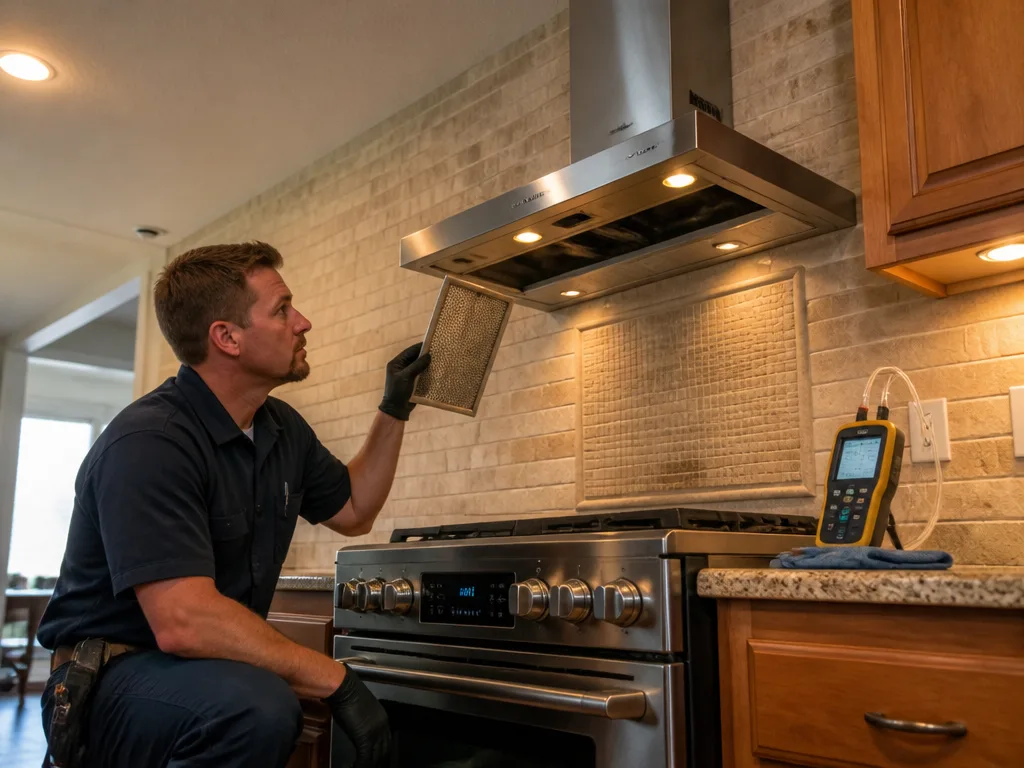
Grease buildup is the most frequent culprit. In all Kansas homes, a hood’s fan or blower can accumulate grime that reduces suction and makes the motor work harder. A clogged filter or duct can cause a noticeable drop in performance and louder operation. If the switch or controls stick, that points to wear in the wiring or connection points that an appliance repair specialist will inspect.
Another common cause is worn bearings or a failing motor. When the bearings loosen or the motor loses efficiency, you’ll hear grinding or a hum that doesn’t belong. Electrical issues can also lead to intermittent operation or a cord that feels warm to the touch after use. In Kansas, where kitchens are used heavily for family meals, these issues can appear sooner than you expect.
What to do now
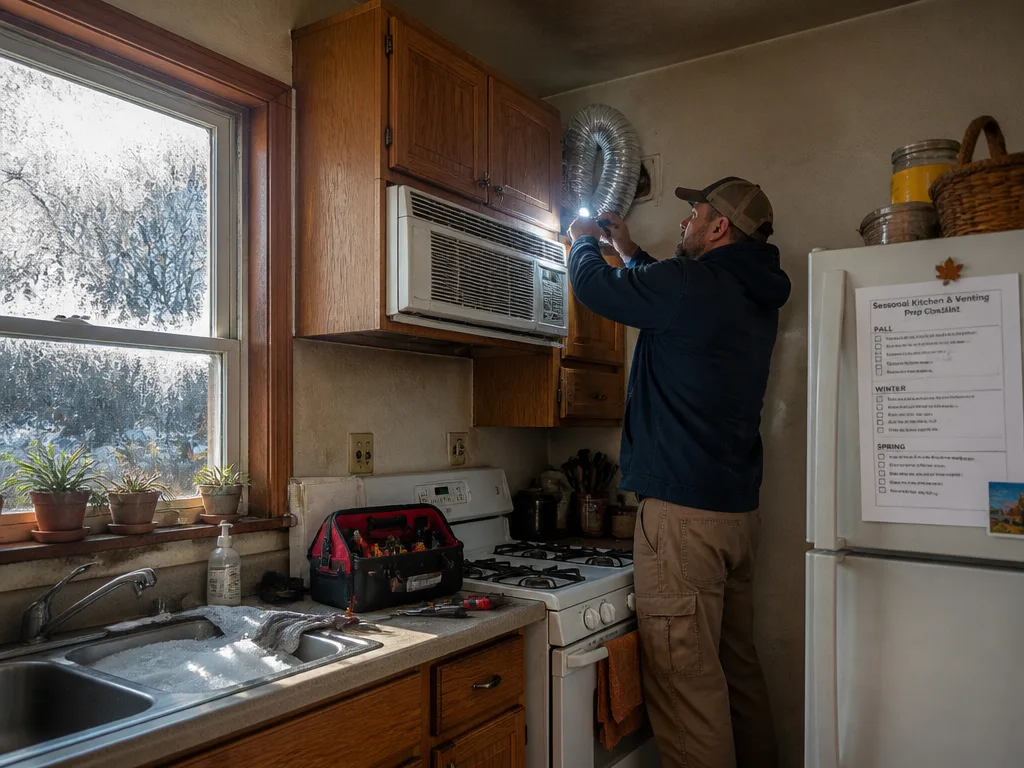
First, note the symptoms with a quick test. Is the air noticeably weaker, or is the unit louder than it used to be? Are there any smells of burning or smoke? Next, check simple maintenance steps: replace disposable filters if your hood uses them, wipe surfaces to reduce grease buildup, and ensure the exterior vent remains unobstructed. If you notice any persistent issues after these checks, it’s time to call an appliance repair specialist.
When you reach out, share what you’ve observed: noises, the airflow level, and any odor notes. Kansas crews handle these calls statewide, and a detailed description helps them arrive prepared with the right parts and tools. A careful inspection will determine whether a cleaning, a part replacement, or a more thorough fix is needed.
Preventive tips to avoid future warning signs
Regular cleaning goes a long way. Clean the hood’s interior, the fan blades, and the cover every one to three months depending on use. In Kansas kitchens, grease can accumulate quickly during busy seasons. Consider scheduling a professional cleaning by an appliance repair specialist every six to twelve months as part of a routine maintenance plan.
Use the hood properly: run it for a few minutes after cooking to purge residual heat and odors. Ensure the vent stack outside is free of debris, and keep the filter in good condition. A proactive approach helps maintain performance and reduces the chance of an unexpected breakdown across Kansas.